The culinary landscape is constantly evolving, with professional kitchens seeking innovative solutions to enhance efficiency, meet healthier consumer demands, and optimize operational costs. Among the most impactful kitchen appliances to emerge in recent years is the commercial air fryer. Far beyond a household gadget, these robust machines are transforming how restaurants, cafes, and food service businesses prepare everything from crispy appetizers to perfectly roasted main courses. If you’re looking to upgrade your kitchen equipment or dive into the world of healthier frying, understanding the capabilities and benefits of a commercial air fryer is essential for making an informed decision.
What is a Commercial Air Fryer?
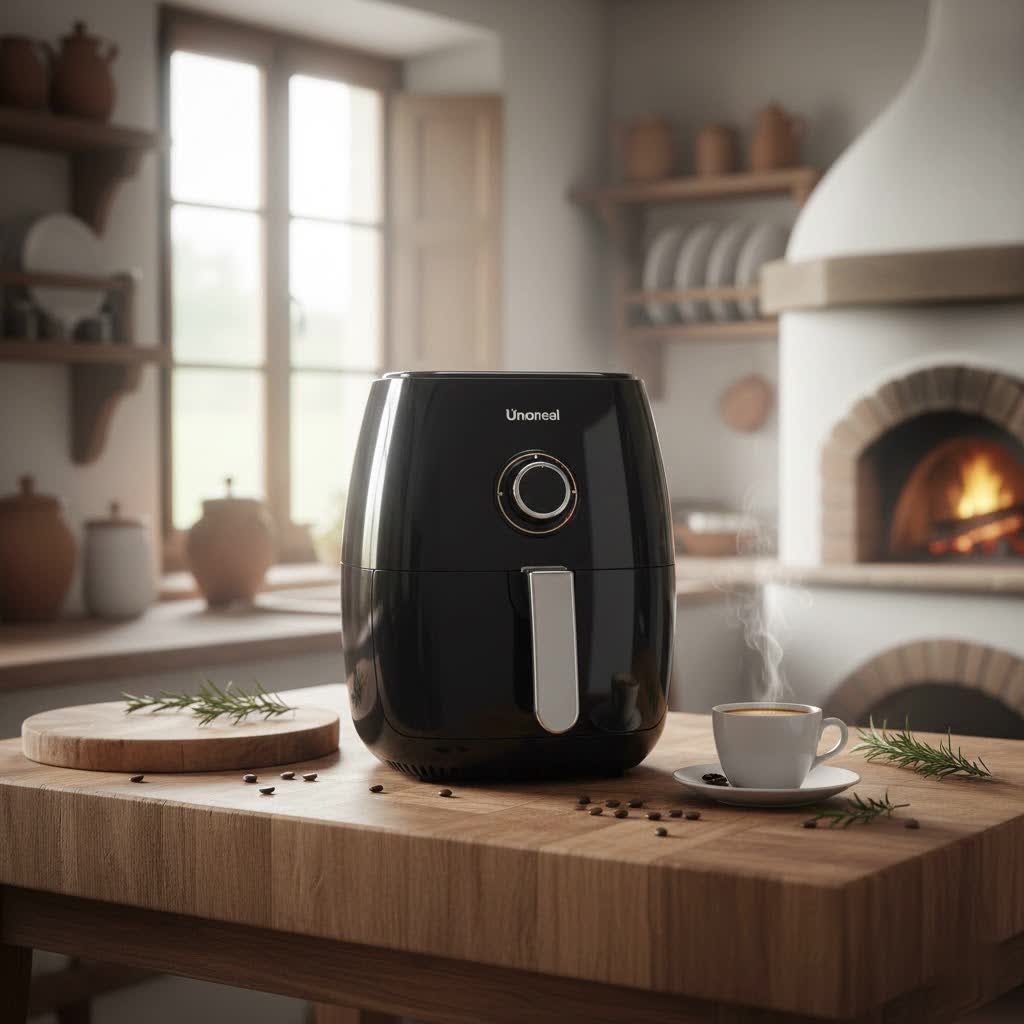
At its core, a commercial air fryer is a heavy-duty kitchen appliance engineered for the demanding environment of professional foodservice. Unlike conventional ovens or traditional deep fryers, it utilizes a powerful convection system to rapidly circulate superheated air around food, achieving a crispy, “fried” texture with significantly less oil. This process, often involving the Maillard reaction, browns and crisps the food’s exterior while keeping the interior tender.
While home air fryers are designed for occasional use, commercial models feature reinforced heating elements, industrial-grade motors, and robust construction built to withstand 10-12 hours of daily operation. They prioritize durability, capacity, and consistent performance, making them ideal for quick-service restaurants, hotel banquet operations, food trucks, and catering companies.
Benefits of Using a Commercial Air Fryer
Integrating a commercial air fryer into your kitchen offers a myriad of advantages that extend beyond just cooking. These benefits impact everything from food quality and operational efficiency to safety and profitability.
Healthier Cooking Options
|
Our Picks for the Best Air Fryer in 2026
As an Amazon Associate I earn from qualifying purchases.
|
||
| Num | Product | Action |
|---|---|---|
| 1 | Cosori 9-in-1 TurboBlaze Air Fryer 6 Qt, Premium Ceramic Coating, 90°–450°F, Precise Heating for Even Results, Air Fry, Roast, Bake, Broil, Dry, Frozen, Proof, Reheat, Keep Warm, 120V, Dark Gray |

|
| 2 | Chefman Air Fryer – 4 QT Compact Airfryer for Quick & Easy Meals in Minutes, Features Hi-Fry Technology for Extra Crisp, Touchscreen Controls with 4 Presets, Nonstick & Dishwasher Safe Basket - Black |
|
| 3 | bella 4Qt Slim Air Fryer, Fits-anywhere™ Kitchenware, EverGood™ Ceramic Nonstick Coating, Adjustable Temperature, 6 Preset Cooking Options, 60 Min Auto Shutoff w Audible Tone, 3.3lb Capacity, Oatmilk |
|
| 4 | IT'S BRAZILIAN Ninja Combi All-in-One Multicooker, Oven, & Air Fryer, 14-in-1 Functions, Bake, Roast, Slow Cook and More, 5 Accessories, Stainless Steel |
|
| 5 | Emeril Lagasse Extra Large French Door Air Fryer Toaster Oven Combo, 24 Cooking Functions and Digital Controls, 7 Accessories Included, Stainless Steel Finish, 26QT Capacity |
|
| 6 | Ninja - Air Fryer - 4-in-1 Pro Air Fry, Roast, Reheat, Dehydrate - 5QT Capacity fits up to 4lbs of French Fries - 400F Max Temp - Nonstick Basket & Crisper Plate - 120V - Grey - AF141 |
|
| 7 | CHEFMAN 2 Qt Mini Air Fryer – Digital Space-Saving Compact Air Fryer with Nonstick and Dishwasher Safe Basket, Quick & Easy Meals in Minutes, Features Digital Timer and Shake Reminder – Black |
|
| 8 | Ninja - Air Fryer - 6.5 QT Pro XL Capacity fits 9lbs of Wings - 6-in-1 Max Crisp, Air Fry, Roast, Bake, Reheat & Dehydrate - Nonstick Basket, Crisper Plate & Recipe Guide - Grey - AF181 |
|
| 9 | Pro 13-in-1 Smart Air Fryer Gen 2 with One Touch Functions and Detachable Basket, White |
|
| 10 | Chefman Air Fryer 8 Qt - TurboFry® 4-in-1 with 450°F Hi-Fry Option for Crispier Results - Air Fry, Bake, Dehydrate, Frozen - XL Nonstick Dishwasher-Safe Basket - Stainless Steel |
|
One of the most compelling reasons for the rising popularity of commercial air fryers is their ability to produce healthier menu items. By requiring minimal to no oil, they drastically reduce the fat and calorie content of traditionally fried foods. Air-fried chicken, for instance, contains significantly fewer calories than its deep-fried counterpart. This aligns perfectly with the growing consumer demand for lighter, more nutritious options without compromising on taste or texture. Air frying can also reduce the formation of harmful substances like acrylamide by up to 90%.
Enhanced Productivity and Speed
In the fast-paced environment of a commercial kitchen, speed and efficiency are paramount. Air fryers excel in this area, utilizing rapid air technology to cook food quickly and evenly. They often boast 40-60% faster cooking cycles compared to conventional ovens, allowing for quicker service during peak hours. Many models also support batch cooking, handling multiple trays or baskets simultaneously, which ensures consistent quality and efficient service. Less preheating time further streamlines the cooking process, allowing staff to focus on other intricate aspects of meal preparation.
Significant Cost Savings
Transitioning to commercial air fryers can lead to substantial long-term cost savings for food service establishments. The primary factor is the dramatic reduction in oil usage—up to 70-80% less than traditional deep fryers. This translates directly to lower expenses for purchasing and disposing of cooking oil. Furthermore, air fryers are generally more energy-efficient than full-size electric ovens, contributing to reduced energy bills. Simplified ventilation requirements, compared to deep fryers, can also lower maintenance costs.
Improved Safety and Kitchen Environment
Traditional deep fryers pose significant safety risks, with hot oil burns being a common kitchen injury. Commercial air fryers mitigate these dangers by cooking food in a contained space without scalding oil, reducing the risk of hot oil splashes and fires by up to 65%. This creates a safer working environment for staff, minimizes mess, and contributes to a cooler, more enjoyable kitchen atmosphere. The absence of excessive grease particles in the air also makes kitchens cleaner and easier to maintain.
Versatility and Menu Expansion
Commercial air fryers are incredibly versatile appliances that can handle a wide range of menu items. Beyond fries and wings, they can perfectly roast vegetables, crisp up baked goods, dehydrate fruits, and even reheat plated items. This multi-functional capability allows chefs to diversify their menu offerings without needing multiple specialized appliances, expanding culinary possibilities and catering to diverse customer preferences.
Space Optimization
For kitchens with limited space, such as food trucks, small cafes, or concession stands, countertop commercial air fryers offer a compact solution. They can maximize cooking capacity in a single appliance, reducing the need for multiple machines and freeing up valuable counter space. Even larger floor-standing units often have a more efficient footprint compared to their deep-frying counterparts.
Types of Commercial Air Fryers
Commercial air fryers come in various designs, each suited for different kitchen needs and capacities. Understanding the distinctions will help you choose the right model for your operation.
Basket-Style Commercial Air Fryers
These are often the most recognized form, featuring a removable basket where food is placed. They are typically compact and user-friendly, making them a popular entry-level option for smaller establishments or specific menu items.
- Pros: Affordable, compact footprint, easy to operate.
- Cons: Limited batch size, may require manual shaking for even cooking.
- Ideal for: Small cafes, food trucks, or preparing single batches of appetizers.
Convection Oven-Style Commercial Air Fryers
Resembling mini convection ovens, these units usually feature multiple shelves or racks, allowing for cooking a variety of foods simultaneously. They offer greater versatility than basket-style models, with functions like roasting, baking, and toasting.
- Pros: Larger capacity, more versatile cooking options, consistent heat distribution.
- Cons: Larger footprint, generally more expensive.
- Ideal for: Medium to high-volume restaurants requiring diverse cooking capabilities.
Specialized Commercial Air Fryers
For operations with unique demands, several specialized air fryer types are available:
- Floor-Standing Air Fryers: Much larger units designed for heavy-duty, continuous frying in high-volume settings, featuring larger baskets and faster cooking times.
- Conveyor Air Fryers: Ideal for high-volume kitchens like fast-food chains, where food moves on a conveyor belt through a cooking chamber, ensuring even results for large batches.
- Rotary Air Fryers: Food is placed in rotating drums or baskets, ensuring an even cook for items that might stick together.
- Combination Oven and Air Fryer: Some commercial ovens offer an integrated air frying function, providing dual functionality and saving space.
- Pressure Air Fryers: A newer addition, these combine pressure cooking and air frying to ensure tender interiors and crispy exteriors.
Comparison of Commercial Air Fryer Brands
When selecting a commercial air fryer, several reputable brands offer models designed for professional use. Here’s a brief comparison of what some popular options bring to the table:
| Brand/Model | Capacity (Approx.) | Power (Watts) | Key Features | Ideal For |
|---|---|---|---|---|
| Breville Smart Oven Air Fryer Pro | 0.8-1.0 cu ft (23-28L) | 1800-2400W | Element iQ system, 13 pre-programmed settings, super convection, digital controls | Versatile kitchens, high-demand, precision |
| Emeril Lagasse French Door Air Fryer Toaster Oven | Extra Large (26L+) | 1700W | Double door design, multiple cooking functions, ease of access | Batch cooking, budget-conscious |
| Nuwave Bravo XL Pro Air Fryer Toaster Oven | 12-30 quarts (11-28L) | 1800W | Digital temperature probe, various cooking presets, precise temperature control | Multi-functional, even cooking |
| Quik n’ Crispy GF Series | 2-14 quarts (1.9-13.25L) (single to double stack) | 1700-2400W | Ventless, greaseless, programmable recipes, heavy-duty build | Food trucks, concession stands, high-volume frying |
| Cuisinart Air Fryer Oven Series | 0.6 cu ft (17L) | 1800W | Toaster oven design, diverse cooking functions, rapid preheat | Smaller kitchens, multi-purpose, speed |
Commercial Air Fryer Buying Guide
Choosing the right commercial air fryer requires careful consideration of your specific operational needs. Here’s a comprehensive guide to help you make an informed decision:
Assess Your Usage Needs
Begin by understanding your kitchen’s unique requirements.
- Volume: How much food do you need to cook simultaneously during peak hours? This dictates the necessary capacity.
- Menu Items: What types of dishes will you primarily prepare? Some air fryers excel at fries, while others are better suited for roasting or baking larger items.
- Space Constraints: Measure available counter space or floor area. Countertop models are great for smaller setups, while floor-standing units require dedicated space.
- Power Compatibility: High-wattage units typically require 208V/240V circuits. Confirm your existing electrical infrastructure can support the appliance.
Capacity (Quarts/Liters)
Capacity is crucial for commercial settings. Air fryers range from smaller countertop models (2-5 liters) ideal for low-traffic businesses to large models with 40 liters or more. For high-volume restaurant use, prioritize units with 10+ quart capacity to handle continuous operation and larger batches. Consider models with dual baskets or multiple shelves for maximum efficiency.
Power and Efficiency (Wattage)
The wattage of an air fryer directly impacts cooking speed and efficiency.
- Lower wattage (1,000-1,500 watts): Suitable for smaller businesses or low-volume cooking.
- Higher wattage (1,500-2,500 watts and above): Ideal for large kitchens or high-volume cooking, ensuring quicker cooking times and consistent performance, crucial for busy kitchens. Look for models exceeding 1800W for continuous operation without overheating.
Temperature Control and Range
Precise temperature control is vital for consistent results across diverse menu items. Look for air fryers with a wide temperature range, ideally between 180°F and 400°F (82°C – 204°C), and precise accuracy (e.g., ±5°F). Digital PID controllers generally offer better accuracy than analog dials.
Durability and Material
Commercial kitchens are tough environments, so durability is non-negotiable.
- Construction: Prioritize units with stainless steel construction (16-gauge or thicker) for longevity. Avoid plastic components near heating elements.
- Certification: Always verify NSF certification, which indicates the appliance meets public health and safety standards.
- Airflow System: A minimum of 150 CFM (cubic feet per minute) airflow ensures even cooking. Brushless DC motors for fans can offer quieter operation and longer lifespans.
Essential Features
- Digital Interface & Programmable Settings: Streamline operations, reduce training time, and ensure consistent results. Customizable recipes and cooking modes are highly beneficial.
- Timer Functions: Essential for managing multiple dishes efficiently.
- Safety Features: Cool-touch exteriors, auto-shutoff, and overheat protection enhance kitchen safety.
- Ease of Cleaning: Non-stick surfaces, removable and dishwasher-safe components, and accessible interiors reduce cleanup time and effort.
Brand Reputation and Warranty
Invest in reputable brands known for commercial kitchen equipment. Check customer reviews, as the Reddit community often provides practical insights into performance and durability. A strong warranty and readily available service support, including quick parts availability, are critical for minimizing downtime in a commercial setting.
Top 3 Commercial Air Fryers for Professional Kitchens
Based on performance, features, and suitability for commercial demands, here are some top picks that deliver exceptional results.
1. Breville BOV900BSS Smart Oven Air Fryer Pro
The Breville Smart Oven Air Fryer Pro is a highly versatile and robust choice for busy professional kitchens. It features Breville’s Element iQ system, which intelligently distributes heat for precise cooking, replicating ideal environments for various techniques. With a generous 1.0 cubic foot capacity and 13 pre-programmed settings, it excels at air frying, roasting, baking, and even dehydrating. Its super convection setting maximizes airflow, leading to superior crispness and faster cooking times. Users consistently praise its steady heat, roomy interior, and smooth user experience, making it a reliable workhorse for establishments demanding dependable results.
2. Emeril Lagasse Extra Large French Door Air Fryer Toaster Oven Combo
For those seeking a budget-friendly yet high-capacity option, the Emeril Lagasse Extra Large French Door Air Fryer Toaster Oven Combo delivers impressive performance. Its distinctive double-door design offers easy access to the spacious interior, which is ideal for cooking large batches or multiple items simultaneously. Many users commend its rapid warm-up time and steady heat, which contribute to calm and efficient operations in busy kitchens. The thoughtful layout and easy-to-slide trays also simplify cleanup, making it a practical choice for establishments prioritizing both capacity and convenience without stretching the budget.
3. Nuwave Bravo XL Pro Air Fryer Toaster Oven with Grill Combo
The Nuwave Bravo XL Pro stands out as a strong pick for daily cooking needs, offering a blend of multifunctionality and user-friendliness. This model comes with a digital temperature probe, ensuring food is cooked to perfection, and a wide array of cooking presets that simplify operation. Its roomy layout supports quick meal preparation without needing to activate a full-size oven, and it maintains steady heat with quick warm-up times. Reviews often highlight its ability to keep exterior parts cooler than some heavier units, adding a layer of safety in a bustling kitchen. With simple controls and easy cleanup, the Nuwave Bravo XL Pro is a reliable solution for versatile cooking tasks.
Proper Use and Maintenance of Commercial Air Fryers
To ensure your commercial air fryer operates at peak performance and lasts for years, proper usage and maintenance are key.
Optimal Usage Practices
- Preheating: Always preheat your air fryer as recommended. This ensures consistent cooking temperatures and results in crispier food.
- Avoid Overcrowding: While commercial air fryers have larger capacities, avoid overfilling the basket or trays. Overcrowding can impede air circulation, leading to uneven cooking and less crispy results. Cook in batches if necessary.
- Use Minimal Oil: A light spray or a tablespoon of oil is usually sufficient for most foods. This helps achieve crispiness and flavor without excess fat.
- Shake or Flip Food: For basket-style models, shaking the basket periodically helps ensure all sides of the food are exposed to the circulating hot air. For oven-style units, flipping food on trays can have a similar effect.
- Monitor Cooking: Keep an eye on your food, especially during the first few uses of a new recipe, as cooking times can vary between models and food types.
Essential Cleaning and Maintenance
Regular cleaning is crucial for hygiene, preventing flavor transfer, and extending the lifespan of your appliance.
- Unplug and Cool Down: Always unplug the air fryer and allow it to cool completely before cleaning.
- Clean Removable Parts: The basket, trays, and racks are often dishwasher-safe. If washing by hand, use warm, soapy water and a non-abrasive sponge to remove food residue and grease. For stubborn spots, soaking can help.
- Wipe Interior: Use a damp cloth with mild soap to wipe down the interior cooking chamber. Ensure no food particles or grease accumulate on the heating element.
- Clean Exterior: Wipe the exterior with a damp cloth to remove fingerprints and spills.
- Regular Deep Cleaning: Periodically, perform a more thorough clean, paying attention to hard-to-reach areas. Some manufacturers provide specific cleaning instructions or recommended cleaning agents.
- Inspect Components: Regularly check the power cord, heating elements, and fan for any signs of wear or damage.
By adhering to these usage and maintenance guidelines, your commercial air fryer will continue to be a valuable asset, delivering operational excellence and high-quality dishes consistently.
Conclusion
Commercial air fryers represent a significant advancement in professional kitchen technology, offering a powerful blend of efficiency, health benefits, and operational savings. From the rapid cooking cycles and minimal oil usage to improved safety and versatile menu capabilities, these appliances are more than just a trend—they are a smart investment for any food service establishment looking to modernize its operations. By carefully considering your specific needs, exploring the diverse types and features available, and committing to proper maintenance, you can confidently select the ideal commercial air fryer to elevate your kitchen’s performance and delight your customers with healthier, perfectly crispy dishes.
What will be the next innovation to further enhance the efficiency and health benefits of commercial cooking?
Frequently Asked Questions
Are commercial air fryers suitable for high-volume restaurant use?
Yes, commercial air fryers are specifically designed for the rigorous demands of professional kitchens, offering larger capacities, faster cooking times, and enhanced durability compared to consumer models. They are ideal for high-volume operations seeking efficient and healthier cooking solutions.
How do commercial air fryers differ from traditional deep fryers?
Commercial air fryers use circulating hot air to cook food with minimal oil, dramatically reducing fat and calorie content. Deep fryers submerge food in large quantities of hot oil. Air fryers are also safer, more energy-efficient, and easier to clean, eliminating grease disposal concerns and reducing fire risks.
Can commercial air fryers cook a wide range of menu items?
Absolutely. Commercial air fryers are highly versatile, capable of preparing a diverse array of dishes, including crispy fries, chicken wings, roasted vegetables, baked goods, and even reheating items. Their multi-functional capabilities make them valuable for menu diversification.
What key features should I look for when buying a commercial air fryer?
Prioritize capacity (10+ quarts for high volume), high wattage (1800W+), precise digital temperature control (180-400°F range), durable stainless steel construction, NSF certification, and programmable settings for consistent results and ease of use.
Are commercial air fryers difficult to clean and maintain?
No, most commercial air fryers are designed for easy cleaning. Removable parts like baskets and trays are often non-stick and dishwasher-safe. Regular wiping of the interior and exterior with a damp cloth is typically sufficient, making maintenance straightforward and hassle-free.
How do commercial air fryers save money for businesses?
Commercial air fryers save money by drastically reducing oil consumption, leading to lower purchasing and disposal costs. They are also generally more energy-efficient than traditional ovens and deep fryers, contributing to reduced utility bills and overall operational expenses.
Do commercial air fryers make food taste as good as deep-fried food?
While the texture may vary slightly, commercial air fryers produce deliciously crispy food that closely mimics deep-frying, often with a lighter, less greasy feel. Many prefer air-fried results for their healthier profile without significant compromise on taste and texture.
