The allure of crispy, guilt-free meals has made air fryers a kitchen staple, transforming how we approach cooking. Yet, as health consciousness grows, many are questioning the materials used in these popular appliances. Are we truly creating healthier meals if our air fryer could be exposing us to harmful chemicals? This comprehensive guide will navigate the world of non-toxic air fryers, revealing the materials to embrace and those to avoid, ensuring your culinary journey is both delicious and genuinely safe.
What is a Non-Toxic Air Fryer?
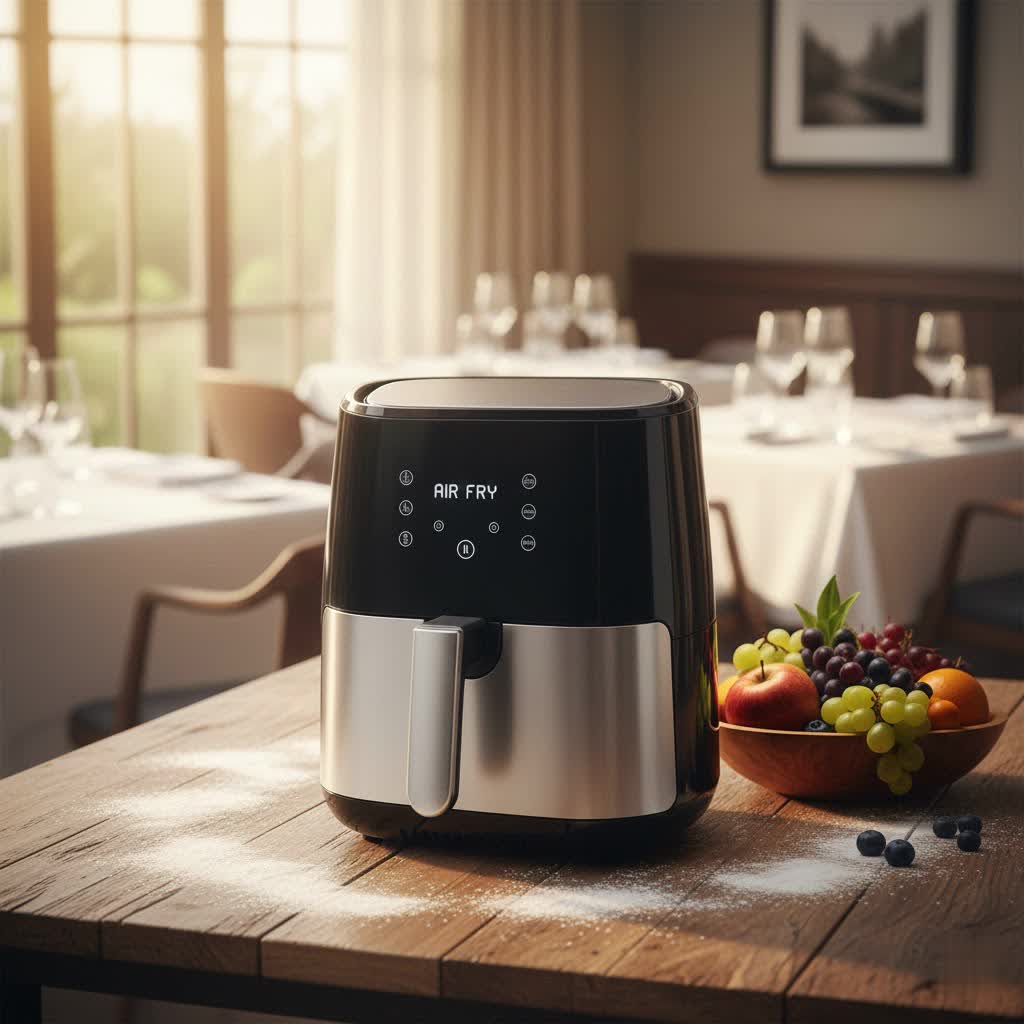
A non-toxic air fryer is an appliance designed with cooking surfaces and internal components free from harmful chemicals commonly found in traditional non-stick coatings. The primary concern revolves around “forever chemicals” that can leach into food or release toxic fumes when heated, undermining the very health benefits air frying promises. Choosing a non-toxic model means prioritizing materials like stainless steel, specific ceramic coatings, or glass to ensure your food remains pure and uncontaminated.
The Problem with Traditional Non-Stick Coatings
|
Our Picks for the Best Air Fryer in 2026
As an Amazon Associate I earn from qualifying purchases.
|
||
| Num | Product | Action |
|---|---|---|
| 1 | CHEFMAN 2 Qt Mini Air Fryer – Digital Space-Saving Compact Air Fryer with Nonstick and Dishwasher Safe Basket, Quick & Easy Meals in Minutes, Features Digital Timer and Shake Reminder – Black |

|
| 2 | bella 4Qt Slim Air Fryer, Fits-anywhere™ Kitchenware, EverGood™ Ceramic Nonstick Coating, Adjustable Temperature, 6 Preset Cooking Options, 60 Min Auto Shutoff w Audible Tone, 3.3lb Capacity, Oatmilk |
|
| 3 | Pro 13-in-1 Smart Air Fryer Gen 2 with One Touch Functions and Detachable Basket, White |
|
| 4 | IT'S BRAZILIAN Ninja Combi All-in-One Multicooker, Oven, & Air Fryer, 14-in-1 Functions, Bake, Roast, Slow Cook and More, 5 Accessories, Stainless Steel |
|
| 5 | Ninja - Air Fryer - 4-in-1 Pro Air Fry, Roast, Reheat, Dehydrate - 5QT Capacity fits up to 4lbs of French Fries - 400F Max Temp - Nonstick Basket & Crisper Plate - 120V - Grey - AF141 |
|
| 6 | Emeril Lagasse Extra Large French Door Air Fryer Toaster Oven Combo, 24 Cooking Functions and Digital Controls, 7 Accessories Included, Stainless Steel Finish, 26QT Capacity |
|
| 7 | Chefman Air Fryer 8 Qt - TurboFry® 4-in-1 with 450°F Hi-Fry Option for Crispier Results - Air Fry, Bake, Dehydrate, Frozen - XL Nonstick Dishwasher-Safe Basket - Stainless Steel |
|
| 8 | Ninja - Air Fryer - 6.5 QT Pro XL Capacity fits 9lbs of Wings - 6-in-1 Max Crisp, Air Fry, Roast, Bake, Reheat & Dehydrate - Nonstick Basket, Crisper Plate & Recipe Guide - Grey - AF181 |
|
| 9 | Chefman Air Fryer – 4 QT Compact Airfryer for Quick & Easy Meals in Minutes, Features Hi-Fry Technology for Extra Crisp, Touchscreen Controls with 4 Presets, Nonstick & Dishwasher Safe Basket - Black |
|
| 10 | Cosori 9-in-1 TurboBlaze Air Fryer 6 Qt, Premium Ceramic Coating, 90°–450°F, Precise Heating for Even Results, Air Fry, Roast, Bake, Broil, Dry, Frozen, Proof, Reheat, Keep Warm, 120V, Dark Gray |
|
Many conventional air fryers utilize non-stick coatings made from polytetrafluoroethylene (PTFE), widely known by the brand name Teflon. While convenient for easy food release and cleanup, these coatings can become problematic. When scratched or heated above certain temperatures, typically around 450°F (230°C) and higher, PTFE can degrade and potentially release polymer fumes into the air. This can lead to symptoms like “polymer fume fever” in humans and can be particularly dangerous for pets.
Understanding “Forever Chemicals” and Their Risks
The most significant concern with traditional non-stick coatings stems from per- and polyfluoroalkyl substances (PFAS), a broad group of synthetic chemicals often referred to as “forever chemicals” due to their environmental persistence. Perfluorooctanoic acid (PFOA), a type of PFAS, was historically used in the manufacturing of PTFE. While manufacturers have largely phased out PFOA since 2013, many products still contain other PFAS compounds. These chemicals have been linked to various health issues, including hormonal disruption, immune system problems, and certain types of cancer. Furthermore, other undesirable chemicals like Bisphenol A (BPA) and phthalates, often found in plastics, can also leach into food if present in food-contact components.
Benefits of Choosing a Non-Toxic Air Fryer
Opting for a non-toxic air fryer offers a multitude of benefits that extend beyond just healthier cooking. Primarily, it provides peace of mind, knowing that your appliance isn’t introducing unwanted chemicals into your food. By eliminating PFAS, PTFE, and PFOA, you reduce your exposure to substances associated with long-term health risks. These safer materials also tend to be more durable and resistant to scratching, which further prevents potential chemical leaching over time. Moreover, conscious consumers appreciate supporting brands committed to transparency and environmentally friendly manufacturing processes. A truly healthy air fryer ensures that the advantages of low-oil, crispy cooking are not compromised by hidden chemical concerns.
Key Materials for Safe Air Frying
The heart of a non-toxic air fryer lies in its material composition. Understanding the safest options available is crucial for making an informed decision.
Stainless Steel: The Gold Standard
Stainless steel is widely regarded as the safest material for air fryer baskets and interiors. It is chemically inert, meaning it won’t react with food or leach harmful substances, even at high temperatures. Stainless steel is naturally durable, resistant to corrosion, and easy to clean. Many oven-style air fryers feature stainless steel interiors and components, making them an excellent choice for those seeking the highest level of material safety.
Ceramic Coatings: A PFAS-Free Alternative
Ceramic-coated air fryer baskets offer a non-stick surface without relying on PTFE or PFAS chemicals. These coatings are typically derived from natural materials like sand and are designed to be heat-stable and release-free. When choosing a ceramic air fryer, it’s vital to look for explicit labeling that confirms it is “PFAS-free” and “PTFE-free,” as not all ceramic-like coatings are created equal. Brands like Salter and COSORI offer ceramic-coated options that prioritize safety. While generally safe, some users report a slight “off-gassing” smell initially, which typically dissipates after a few uses.
Glass: Transparency and Purity
Glass air fryers, while less common in the traditional basket-style design, represent a highly inert and transparent cooking solution. Glass does not leach chemicals, react with acidic foods, or trap odors. Some innovative designs, like the Ninja Crispi, feature BPA-free glass containers that double as cooking and storage vessels, offering excellent visibility during the cooking process. Glass is also exceptionally easy to clean and often dishwasher-safe, providing both convenience and peace of mind.
What to Avoid: Plastics and Specific Chemicals
Beyond the primary cooking surface, it’s important to consider other materials. Avoid air fryers with low-grade plastics near heating elements, as these can degrade and release volatile organic compounds (VOCs) or microplastics. Always look for “BPA-free” certifications for any plastic components, especially if they might come into contact with food. Explicitly steer clear of products that do not clearly state they are PFAS-free, PTFE-free, or PFOA-free. If a product only claims “PFOA-free,” it does not necessarily mean it’s free of all PFAS compounds.
How to Choose the Right Non-Toxic Air Fryer
Selecting the ideal non-toxic air fryer involves balancing safety with your specific cooking needs and preferences.
Material Composition: Beyond “Non-Stick”
Prioritize appliances with cooking baskets and interior surfaces made from stainless steel, certified PFAS-free ceramic, or glass. While “non-stick” is convenient, verify the type of coating. Ed McCormick, a food scientist, emphasizes that “the safest options are ceramic-coated baskets or uncoated stainless steel. These materials don’t leach chemicals at high heat and are free of PFAS, PTFE, and BPA — all of which are best avoided for long-term health.”
Size and Capacity: Match Your Household Needs
Air fryers come in various sizes, from compact 2-quart models ideal for singles to large 10-quart+ oven-style units suitable for families. Consider how many people you typically cook for and the types of meals you prepare. Larger capacities often mean greater versatility, while smaller units are perfect for limited counter space.
Power and Performance: Efficient Cooking
Wattage typically indicates an air fryer’s heating power. Higher wattage often means faster preheating and cooking. Look for models with a wide temperature range and consistent heat distribution for optimal results. Efficient air circulation is key to achieving that desired crispy texture.
Features and Functionality: Digital vs. Manual, Presets
Modern air fryers offer a range of features. Digital controls provide precise temperature and time settings, while manual dials are simpler. Presets for common foods (fries, chicken, fish) can add convenience. Additional functions like roasting, baking, dehydrating, or even rotisserie can enhance an air fryer’s versatility, turning it into a multi-functional kitchen appliance.
Brand Reputation and Certifications
Research brands known for their commitment to safety and transparency. Look for certifications that attest to the absence of harmful chemicals. Brands that clearly disclose their materials and conduct safety testing demonstrate a higher level of trustworthiness.
Price and Warranty
Non-toxic air fryers can range in price. While a cheap model might start around $50, more durable and genuinely non-toxic options with superior materials typically fall in the $100-$300 range. Consider the warranty offered, as it can indicate a manufacturer’s confidence in their product’s longevity and quality.
Top 3 Non-Toxic Air Fryers to Consider
Based on expert recommendations and material safety, here are some excellent non-toxic air fryer options that stand out:
1. Salter VertiCook Air Fryer
The Salter VertiCook Air Fryer is an impressive ceramic-coated model, explicitly stated to be free from harmful PFAS chemicals. Saul Davies, Buying Director for Salter.com, explains that “ceramic is used as a non-stick coating for VertiCook’s air fryer baskets primarily because it is non-toxic and free from harmful PFAS chemicals.” This 9-liter capacity model features a unique stackable design with two 4.5-liter drawers, maximizing cooking space without occupying excessive counter footprint. It offers 12 handy presets and a clear viewing window, making it a family-friendly choice for versatile and safe cooking.
2. Ninja Crispi 4-in-1 Portable Air Fryer
For those with smaller kitchens or who value portability, the Ninja Crispi 4-in-1 Air Fryer is an innovative choice. It utilizes BPA-free glass containers for cooking, with ceramic coating on the crisper plates, and is confirmed to be 100% PFAS-free. Its unique design consists of two glass dishes with a clip-on attachment, allowing for easy storage and doubling as containers for leftovers. This model simplifies air frying with its straightforward air fry, roast, bake, and reheat functions, offering transparency through its glass construction.
3. Tower XPress 10-in-1 Digital Air Fryer Oven
The Tower XPress is a robust oven-style air fryer with a stainless steel interior, offering a truly non-toxic cooking surface. Stainless steel naturally becomes non-stick at certain temperatures, and any residue is easily cleaned. This 11-liter capacity appliance boasts 10 different presets, including air frying, roasting, baking, dehydrating, and even rotisserie. Its larger size makes it suitable for handling bigger meals, offering extensive functionality without compromising on material safety.
Safe Usage and Maintenance Tips for All Air Fryers
Even with a non-toxic air fryer, proper usage and maintenance are essential to ensure long-term safety and performance.
Protecting Your Investment: Cleaning and Utensils
To prevent damage to any non-stick coating, always use silicone or wooden utensils when handling food inside your air fryer. Avoid metal tools that can scratch surfaces, potentially leading to material degradation. For cleaning, use soft sponges or cloths and mild dish soap. Rebecca Safier from The Eco Edit recommends “looking for liners made from uncoated parchment paper that are labelled PFAS-free—these are safer options that won’t release toxic chemicals when heated.” Many components are dishwasher-safe, but always check the manufacturer’s instructions.
Temperature Control and Food Safety
While air frying uses less oil, it still involves high temperatures. To minimize the formation of potentially harmful compounds like acrylamides (which can form in starchy foods cooked at high heat), avoid over-browning or charring your food. Cook at the lowest effective temperature and shorten cooking times when possible. Ed McCormick advises, “Avoid overheating the air fryer beyond the recommended temperature, especially when the basket is empty. Also, replace your air fryer if the nonstick coating begins to flake or degrade. That’s when toxins are most likely to leach.” Using healthy oils with high smoke points, such as avocado or coconut oil, can also contribute to safer cooking.
Ensuring Proper Ventilation
Always use your air fryer in a well-ventilated area. While non-toxic models significantly reduce the risk of harmful fumes, proper air circulation helps dissipate any cooking odors and ensures a comfortable kitchen environment. Avoid placing the air fryer directly against a wall or under cabinets without adequate clearance.
Conclusion
The journey to healthier eating increasingly extends beyond just the ingredients we choose to the tools we use in our kitchens. By understanding the concerns surrounding traditional air fryer coatings and actively seeking out models made with safe, non-toxic materials like stainless steel, PFAS-free ceramic, and glass, you can enjoy the convenience and delicious results of air frying with complete confidence. An informed choice empowers you to create meals that nourish both your body and your peace of mind. Make the switch today and transform your kitchen into a truly healthy cooking sanctuary.
Have you explored the world of non-toxic cookware? What materials do you prioritize in your kitchen appliances?
Frequently Asked Questions
Are all ceramic air fryers considered non-toxic?
Not necessarily. While ceramic is a safer alternative to traditional PTFE/Teflon, it’s crucial to verify that the ceramic coating is explicitly labeled “PFAS-free” and “PTFE-free.” Some ceramic-like coatings may still contain undesirable chemicals, so always check manufacturer specifications for transparency on material composition.
Can an air fryer become toxic over time?
Even air fryers with non-toxic coatings can become a concern if the coating gets damaged or if the appliance is consistently overheated beyond recommended temperatures. Scratched surfaces can potentially expose underlying materials or cause flaking. Regular inspection and proper care are vital to maintain the integrity of your air fryer’s cooking surfaces.
What are the main chemicals I should avoid in an air fryer?
The primary chemicals to avoid are PFAS (Per- and Polyfluoroalkyl Substances), which include PTFE (Teflon) and PFOA (Perfluorooctanoic Acid). Additionally, look for “BPA-free” plastics in any components that may come into contact with food, and be cautious of lower-quality models that might contain heavy metals like lead or cadmium.
Is stainless steel always a non-toxic option for air fryers?
Yes, stainless steel is generally considered one of the safest and most non-toxic materials for air fryers and other cookware. It is chemically inert and does not leach harmful substances into food, even at high temperatures. Many high-quality, oven-style air fryers feature stainless steel interiors for this reason, offering durability and peace of mind.
How does air frying affect the nutritional value of food?
Air frying generally uses significantly less oil than deep frying, which can reduce the fat content of meals. While some studies suggest air frying might slightly decrease certain beneficial fats or form compounds like acrylamides at very high temperatures, these levels are typically lower than with conventional deep frying. By controlling temperature and avoiding charring, you can maximize nutritional benefits.
