Are you noticing a lingering smell every time you switch on your air fryer? Perhaps your crispy fries aren’t quite as crispy as they used to be, or your chicken wings lack that fresh, vibrant flavor? A dirty air fryer isn’t just an eyesore; it can significantly impact the taste and quality of your food, reduce your appliance’s lifespan, and even pose hygiene risks. You invested in an air fryer for healthier, faster cooking, and maintaining it properly is key to unlocking its full potential. This comprehensive guide, crafted with over a decade of hands-on experience, will equip you with expert tips and step-by-step instructions to keep your air fryer spotless, efficient, and ready to deliver perfectly cooked meals every time.
What is an Air Fryer?
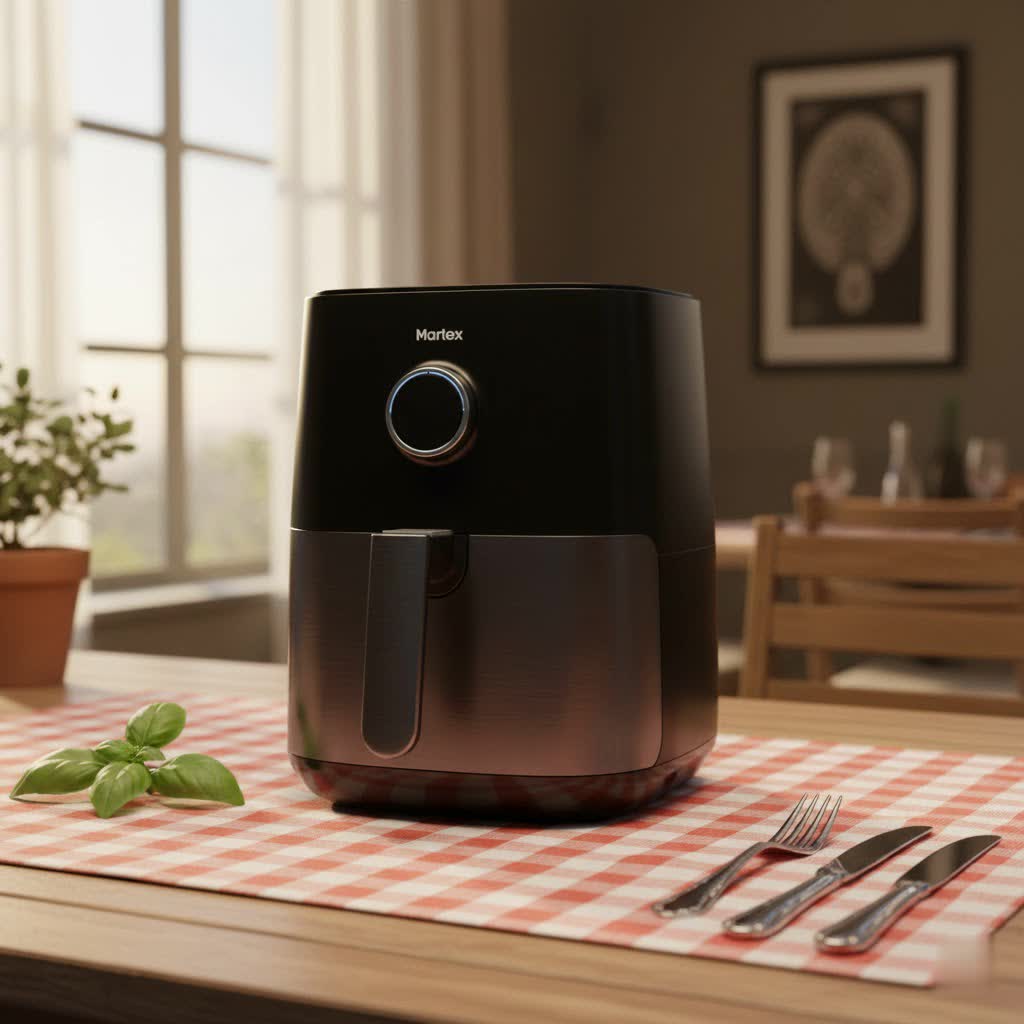
An air fryer is a popular kitchen appliance that cooks food by circulating hot air around it, mimicking the results of deep-frying with significantly less oil. Unlike traditional deep fryers, air fryers use convection heating, producing a crispy exterior and tender interior for a variety of dishes, from vegetables to meats and baked goods. This efficient cooking method relies on consistent airflow, which can be easily disrupted by accumulated grease and food particles, underscoring the importance of regular cleaning for optimal performance.
Benefits of Using an Air Fryer
The appeal of air fryers extends beyond their cooking capabilities; they offer numerous advantages that align with modern healthy living and convenience. Primarily, air frying dramatically reduces the need for oil, allowing you to enjoy your favorite “fried” foods with far fewer calories and less fat. This makes them an excellent choice for health-conscious individuals and families aiming to cut down on unhealthy fats without sacrificing taste. Beyond health benefits, air fryers are incredibly convenient: they preheat quickly, cook food faster than conventional ovens, and are often more energy-efficient for smaller portions. Maintaining a clean air fryer ensures these benefits are consistently delivered, preventing food residues from affecting taste or causing unnecessary smoke.
Popular Types of Air Fryers on the Market
While all air fryers operate on similar principles, their designs vary, which can influence cleaning ease and considerations. Understanding these types helps in appreciating the specific cleaning needs of your appliance.
Basket Air Fryers
|
Our Picks for the Best Air Fryer in 2026
As an Amazon Associate I earn from qualifying purchases.
|
||
| Num | Product | Action |
|---|---|---|
| 1 | Chefman Air Fryer – 4 QT Compact Airfryer for Quick & Easy Meals in Minutes, Features Hi-Fry Technology for Extra Crisp, Touchscreen Controls with 4 Presets, Nonstick & Dishwasher Safe Basket - Black |

|
| 2 | Ninja - Air Fryer - 6.5 QT Pro XL Capacity fits 9lbs of Wings - 6-in-1 Max Crisp, Air Fry, Roast, Bake, Reheat & Dehydrate - Nonstick Basket, Crisper Plate & Recipe Guide - Grey - AF181 |
|
| 3 | Chefman Air Fryer 8 Qt - TurboFry® 4-in-1 with 450°F Hi-Fry Option for Crispier Results - Air Fry, Bake, Dehydrate, Frozen - XL Nonstick Dishwasher-Safe Basket - Stainless Steel |
|
| 4 | Ninja - Air Fryer - 4-in-1 Pro Air Fry, Roast, Reheat, Dehydrate - 5QT Capacity fits up to 4lbs of French Fries - 400F Max Temp - Nonstick Basket & Crisper Plate - 120V - Grey - AF141 |
|
| 5 | IT'S BRAZILIAN Ninja Combi All-in-One Multicooker, Oven, & Air Fryer, 14-in-1 Functions, Bake, Roast, Slow Cook and More, 5 Accessories, Stainless Steel |
|
| 6 | Pro 13-in-1 Smart Air Fryer Gen 2 with One Touch Functions and Detachable Basket, White |
|
| 7 | CHEFMAN 2 Qt Mini Air Fryer – Digital Space-Saving Compact Air Fryer with Nonstick and Dishwasher Safe Basket, Quick & Easy Meals in Minutes, Features Digital Timer and Shake Reminder – Black |
|
| 8 | Emeril Lagasse Extra Large French Door Air Fryer Toaster Oven Combo, 24 Cooking Functions and Digital Controls, 7 Accessories Included, Stainless Steel Finish, 26QT Capacity |
|
| 9 | bella 4Qt Slim Air Fryer, Fits-anywhere™ Kitchenware, EverGood™ Ceramic Nonstick Coating, Adjustable Temperature, 6 Preset Cooking Options, 60 Min Auto Shutoff w Audible Tone, 3.3lb Capacity, Oatmilk |
|
| 10 | Cosori 9-in-1 TurboBlaze Air Fryer 6 Qt, Premium Ceramic Coating, 90°–450°F, Precise Heating for Even Results, Air Fry, Roast, Bake, Broil, Dry, Frozen, Proof, Reheat, Keep Warm, 120V, Dark Gray |
|
Basket air fryers are the most common and recognizable type, featuring a pull-out drawer that contains a perforated basket and a drip tray. These models are generally compact and suitable for individuals or small families. Their removable basket and tray are typically non-stick and often dishwasher-safe, making them among the easiest to clean. Regular removal and washing of these components prevent food build-up and maintain efficient airflow.
Digital Air Fryers
Digital air fryers are essentially basket air fryers with advanced electronic controls, pre-set programs, and precise temperature adjustments. While their cooking functionality is enhanced, the cleaning process for the internal components remains similar to mechanical basket models. However, the exterior control panel may require extra care to avoid moisture damage to electronic components, emphasizing gentle wiping over direct spraying.
Oven-Style Air Fryers
Oven-style air fryers resemble compact toaster ovens, complete with a door, internal racks, and a rotisserie option in some models. These offer greater capacity and versatility, capable of handling larger meals or multiple dishes at once. While they provide more cooking space, their cleaning can be more involved due to a larger interior cavity, multiple accessories (racks, rotisserie spits, crumb trays), and a less accessible heating element at the top. Deep cleaning requires meticulous attention to all internal surfaces and removable parts.
Comparison of Air Fryer Features for Easier Cleaning
When considering an air fryer, thoughtful selection can significantly reduce future cleaning efforts. While specific brands offer various benefits, focusing on design features that prioritize ease of cleaning can be a game-changer for long-term satisfaction.
| Feature | Impact on Cleaning | Common in (Examples) |
|---|---|---|
| Non-Stick Coating | Prevents food from sticking, making wiping and rinsing easy. | Most quality air fryer baskets and trays. |
| Dishwasher-Safe Parts | Allows for convenient machine washing of removable components. | Many basket-style air fryer components (check manual). |
| Removable Drip Tray | Catches grease and crumbs, protecting the main unit’s interior. | Standard in most air fryers, essential for quick cleanup. |
| Stainless Steel Interior | Durable and less prone to staining than some other materials. | More common in oven-style air fryers; easier to wipe clean. |
| Accessible Heating Element | Allows for easier wiping and removal of accumulated grease. | Varies by model; some designs offer better access. |
| Smooth Exterior Design | Fewer crevices mean less dust and grime accumulation. | Most modern air fryers have sleek, wipeable exteriors. |
Buying Guide for Your Perfect Air Fryer
Choosing an air fryer that fits your lifestyle involves more than just cooking capabilities; ease of maintenance, particularly cleaning, should be a significant factor.
Determine Your Usage Needs
Consider how often you plan to use your air fryer and what types of food you’ll be cooking. If you’re a daily user or frequently prepare greasy foods like chicken wings, an air fryer designed for easy, quick cleaning will save you considerable time and effort. Conversely, occasional users might tolerate a slightly more involved cleaning process.
Capacity Considerations
The size of your air fryer dictates how much food you can cook at once, but also the amount of surface area you’ll need to clean. Larger capacities, typical of oven-style models, mean more internal walls, racks, and accessories to manage. For a single person or small family, a compact basket air fryer might be sufficient and easier to clean due to fewer large components.
Power and Performance
While power (wattage) primarily affects cooking speed and efficiency, it has less direct impact on cleaning. High-performance models might cook more thoroughly, potentially leading to less burnt-on residue, but the cleaning methodology remains consistent regardless of wattage.
Essential Features for Easy Cleanup
Look for air fryers with high-quality non-stick coatings on their baskets and trays to prevent food from stubbornly adhering. Dishwasher-safe components are a major time-saver for removable parts. Some models also feature non-stick interiors in the main unit, which significantly simplify wiping down the inner walls. A well-designed removable drip tray is also crucial for catching drippings and making daily cleaning more efficient.
Brand Reputation and Price
Established brands often invest more in durable, easy-to-clean non-stick surfaces and thoughtful designs. While premium models might come with a higher price tag, the longevity of their non-stick coating and the overall build quality can translate to easier cleaning and less hassle over time. Always check reviews specifically mentioning cleaning experiences.
Material Quality
The material of both the interior and exterior of the air fryer matters. Stainless steel interiors, found in many oven-style air fryers, are robust and generally easy to wipe clean. High-quality plastic exteriors are simple to maintain, but ensure there are no hard-to-reach crevices where grease can accumulate. For baskets and trays, look for durable non-stick finishes that can withstand repeated washing without flaking.
How to Clean Your Air Fryer Correctly: A Comprehensive Guide
Maintaining your air fryer is essential for consistent performance, hygiene, and extending its lifespan. A clean air fryer prevents smoke, odd smells, and ensures your food always tastes its best.
Why Regular Cleaning Matters
Neglecting air fryer cleaning can lead to several issues. Food particles and grease can accumulate, leading to unpleasant odors that transfer to your food. Over time, this build-up can cause smoke during operation and even pose a fire hazard. A dirty heating element reduces efficiency, resulting in unevenly cooked food and longer cooking times. Regular cleaning ensures hygienic operation, preserves the non-stick coating, and maintains optimal airflow, crucial for that signature crispy texture.
> “A clean air fryer is a happy air fryer, and more importantly, a safe and efficient one. Skipping cleaning not only affects your food’s taste but can also drastically shorten your appliance’s life.” – Sarah Jenkins, Culinary Appliance Expert
What You’ll Need
Gathering the right tools before you start will make the cleaning process smoother and more effective:
- Dish soap: Gentle, kitchen-friendly dish soap (like Dawn)
- Warm water
- Soft sponge or microfiber cloths: Non-abrasive to protect surfaces
- Soft-bristled brush or old toothbrush: Ideal for mesh baskets and tight spots
- White vinegar: Excellent for cutting grease and neutralizing odors
- Baking soda: For stubborn, burnt-on residue
- Paper towels or a clean dry towel
Step-by-Step Daily Cleaning (After Each Use)
A quick clean after every use prevents build-up and keeps your air fryer ready for its next task.
- Unplug and Cool Completely: This is the most crucial first step for safety. Never clean a hot air fryer or one that is still plugged in. Allow at least 20-30 minutes for the appliance to cool down.
- Remove Removable Parts: Gently pull out the basket, drip tray, racks, and any other removable inserts.
- Wash Parts with Warm Soapy Water:
- Handwashing: Most manufacturers recommend handwashing to preserve the non-stick coating. Fill your sink with warm water and a few drops of dish soap. Submerge the basket and tray, and gently scrub with a soft sponge or cloth. For mesh baskets, use a soft-bristled brush to get into the crevices. Rinse thoroughly under clean running water.
- Dishwasher-Safe Parts: Check your air fryer’s manual. Many baskets and trays are indeed dishwasher-safe, but frequent machine washing can sometimes degrade non-stick coatings faster. If using a dishwasher, place parts on the top rack.
- Wipe Interior & Exterior: With a damp, soapy microfiber cloth (wrung out to avoid excess moisture), gently wipe down the interior walls and the exterior casing of the air fryer. Be careful around the heating element and control panel.
- Dry Thoroughly: Ensure all parts—removable and stationary—are completely dry before reassembling or storing. Any lingering moisture can lead to mold or electrical issues.
Deep Cleaning for Stubborn Grime
For those tough, baked-on messes or when you notice your air fryer needs a more thorough refresh (typically once a month or more, depending on usage).
- Soaking for Baked-On Food: For stubborn food particles, soak the basket and tray in warm, soapy water for 15-30 minutes. This helps loosen the residue, making it much easier to scrub off.
- Baking Soda Paste for Tough Spots: Create a paste using 1/2 cup of baking soda and a splash of water. Apply this paste directly onto the stubborn, burnt-on areas in the basket or tray. Let it sit for 10-15 minutes, allowing the baking soda to work its magic in breaking down the grime. Gently scrub with a soft-bristled brush or toothbrush. Rinse thoroughly.
- Vinegar Solution for Grease and Odors: For heavy grease buildup and lingering smells, a 1:1 solution of white vinegar and water is highly effective. You can spray this solution onto affected areas of the removable parts or the interior walls, let it sit for 5-10 minutes, then wipe clean with a damp cloth. For extreme odors, wipe the interior, let it sit for 10 minutes, then rinse with a clean, damp cloth. This also disinfects and neutralizes smells.
- Cleaning the Heating Element: This part needs special attention as it’s often overlooked. Always ensure the air fryer is unplugged and completely cool. Dip a microfiber cloth into warm, soapy water and wring it out until it is barely damp. Carefully wipe down the heating coil at the top of the air fryer, removing any grease or food splatters. For stubborn spots, a vinegar-dampened cloth can be used. Rinse the cloth frequently and continue wiping until clean. Allow the heating element to air dry completely for several hours (or overnight) before using the appliance again. Never submerge or heavily wet the main unit or its heating element.
- Addressing Lingering Odors: If a vinegar solution doesn’t fully resolve odors, try placing a small bowl of white vinegar or a cut lemon inside the cooled air fryer for a few hours. Another method involves placing a few slices of lemon in the basket and running the air fryer at 350°F (175°C) for 5-10 minutes (only if your manual permits and you monitor closely).
Common Cleaning Mistakes to Avoid
To protect your air fryer and ensure its longevity, steer clear of these common errors:
- Harsh Chemical Cleaners: Abrasive cleaners or oven degreasers can strip the non-stick coating, making food stick more in the future and potentially introducing harmful residues.
- Abrasive Tools: Metal scouring pads, steel wool, or stiff brushes will scratch the non-stick surfaces, damaging them permanently. Stick to soft sponges, cloths, or soft-bristled brushes.
- Submerging the Main Unit: Never, under any circumstances, immerse the entire air fryer in water. This will damage the electrical components and render the appliance unsafe.
- Ignoring the Heating Element: A dirty heating element is a significant cause of smoke, odors, and inefficient cooking. Regular gentle cleaning is vital.
- Not Drying Thoroughly: Reassembling or storing a damp air fryer can lead to mold growth, foul odors, or even electrical short circuits.
Expert Tips for Easier Maintenance
Prevention is often the best approach to cleaning. Implement these habits to minimize future scrubbing:
- Use Air Fryer Liners or Parchment Paper: Specially designed parchment paper liners or silicone mats can catch drippings and prevent food from sticking to the basket, making cleanup significantly easier. Ensure they don’t block airflow or touch the heating element.
- Don’t Overcrowd the Basket: Overfilling the basket restricts airflow and leads to uneven cooking and more splatters. Cook in batches if necessary.
- Use the Right Utensils: Opt for silicone, nylon, or wooden tongs and spatulas instead of metal ones to avoid scratching the non-stick coating.
- Cook Air Fryer-Friendly Foods: Avoid excessively battered or very liquidy foods that can drip and create a difficult mess. Stick to foods that are suitable for air frying to minimize splatters.
- Clean Immediately After Cooling: Don’t let food and grease dry and harden. Cleaning shortly after the air fryer cools makes removal much simpler.
Conclusion
Mastering the art of air fryer cleaning is not just about aesthetics; it’s a critical step toward ensuring your appliance delivers delicious, healthy meals consistently. By adopting a routine of simple, post-use cleaning and occasional deep cleaning with the right tools and techniques, you can prevent stubborn build-up, eliminate unpleasant odors, and extend the life of your air fryer. Remember to always prioritize safety, use gentle cleaning agents, and avoid abrasive tools to protect its delicate surfaces. Your commitment to a clean air fryer will be rewarded with perfectly crispy results and a kitchen free of lingering cooking smells. What delicious, perfectly air-fried meal will you prepare next in your impeccably clean appliance?
Frequently Asked Questions
How often should I deep clean my air fryer?
While a quick clean after every use is highly recommended, aim for a deep clean at least once a month. If you frequently cook greasy foods or notice persistent odors and smoke, consider deep cleaning more often to maintain optimal performance and hygiene.
Can I put air fryer parts in the dishwasher?
Many removable parts, such as baskets and trays, are designed to be dishwasher-safe. However, always consult your air fryer’s manual to confirm, as some non-stick coatings may degrade faster with regular dishwasher use. Handwashing with warm, soapy water is often preferred for preserving the non-stick surface.
How do I remove burnt food from my air fryer?
For burnt-on food, first soak the removable parts in warm, soapy water for 15-30 minutes. For tougher spots, create a paste with baking soda and water, apply it, let it sit for 10-15 minutes, then gently scrub with a soft brush or sponge. Rinse thoroughly afterwards.
Is it safe to clean the heating element?
Yes, it is safe to clean the heating element, but only when the air fryer is unplugged and completely cool. Use a barely damp microfiber cloth with warm, soapy water or a vinegar solution. Carefully wipe the coil without drenching it, and allow several hours for it to air dry completely before re-use.
What should I avoid using when cleaning my air fryer?
Avoid abrasive cleaners like oven degreasers, harsh chemicals, and metal scouring pads or steel wool. These can damage the non-stick coating and other surfaces. Always use soft sponges, cloths, and gentle, kitchen-friendly dish soap or natural solutions like baking soda and vinegar.
How can I prevent bad odors in my air fryer?
Regular and thorough cleaning after each use is the best way to prevent odors. If odors persist, wipe the interior with a 1:1 white vinegar and water solution and let it air out. You can also place a bowl of white vinegar or cut lemons in the cooled air fryer to absorb smells.
