Are you constantly battling the temptation of crispy, fried foods while striving for a healthier lifestyle? Many home cooks find themselves at this crossroads, yearning for the satisfying crunch without the associated guilt. The air fryer has emerged as a revolutionary kitchen appliance, promising to deliver that coveted texture with significantly less oil, transforming the way we think about healthy eating. But how truly healthy is air frying, and how can you choose the best model to support your wellness goals?
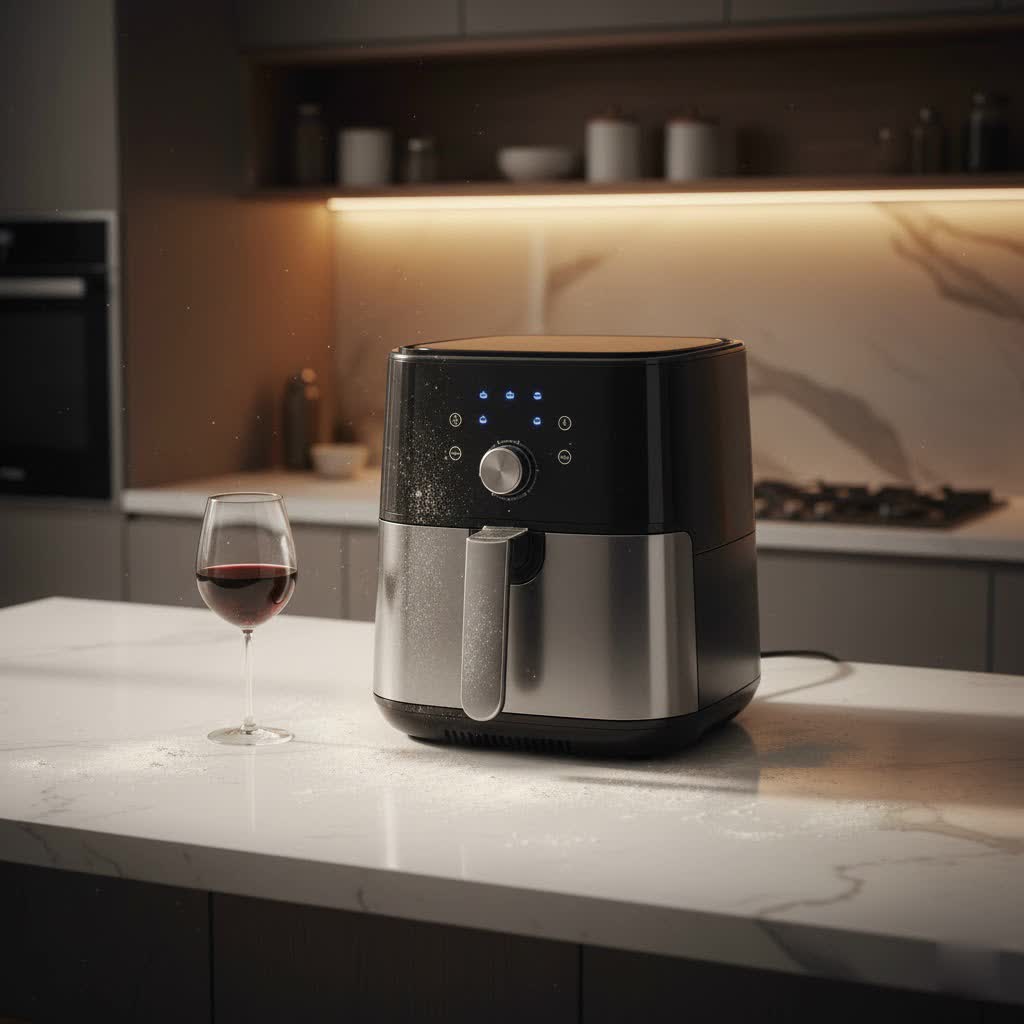
This comprehensive guide will demystify the Healthy Air Fryer, exploring its benefits, potential considerations, different types, and what to look for when making a purchase. We’ll also share tips for optimal use and maintenance, helping you embrace a healthier, more flavorful cooking journey.
What is an Air Fryer?
At its core, an air fryer is a compact countertop appliance that functions much like a mini convection oven. It employs a powerful fan to circulate extremely hot air around food, creating a high-heat cooking environment that rapidly cooks and crisps the exterior while keeping the interior moist and tender. This ingenious method mimics the effects of deep-frying, roasting, or grilling, but with a dramatic reduction in the amount of oil required—often just a tablespoon or a light spray.
Unlike traditional deep fryers that submerge food in oil, air fryers use fine oil droplets within the circulating hot air, allowing you to achieve a “fried” texture with a fraction of the fat and calories. This makes it a versatile tool for cooking everything from vegetables and lean meats to delectable desserts, redefining convenience and health in your kitchen.
The Health Benefits of Air Frying
Embracing an air fryer can unlock a range of compelling health advantages, making it a valuable addition to a health-conscious kitchen.
One of the most significant benefits is reduced fat intake. Air fryers can cut the fat content of foods by up to 75-90% compared to deep-frying. This substantial reduction in calories and unhealthy fats can lead to numerous health improvements, including a decreased risk of heart disease, obesity, and diabetes, while also supporting weight management efforts.
Air frying also contributes to a lower risk of chronic diseases by helping maintain healthy blood pressure, cholesterol levels, and blood sugar. By consuming fewer calories and less fat, you proactively prevent conditions often linked to high-fat diets.
Furthermore, air fryers are remarkably time-efficient. Their rapid hot air circulation cooks food much faster than conventional ovens. This quicker cooking process is not just convenient; it also helps to preserve the nutritional content of your meals. Many essential vitamins and minerals are sensitive to prolonged heat exposure, and the shorter cooking times in an air fryer can help retain these vital nutrients, leading to healthier outcomes.
The versatility of an air fryer extends beyond just “frying.” It can roast, grill, and bake, offering a wide array of healthy meal options. For instance, air frying vegetables like Brussels sprouts or broccoli can help them retain more nutrients compared to boiling or steaming, which can sometimes leach out vitamins and minerals. This adaptability makes it easier to incorporate diverse, nutrient-rich foods into your daily diet.
Lastly, air fryers are generally easy to use and clean. Most models feature removable, dishwasher-safe components, simplifying post-meal cleanup. Their straightforward operation—simply preheat, add food, set time and temperature—makes healthy cooking accessible even for busy individuals.
Types of Air Fryers on the Market
The air fryer market offers a variety of designs, each with unique advantages tailored to different cooking styles and household needs. Understanding these types can help you choose the appliance that best fits your healthy cooking journey.
Basket Air Fryers
|
Our Picks for the Best Air Fryer in 2026
As an Amazon Associate I earn from qualifying purchases.
|
||
| Num | Product | Action |
|---|---|---|
| 1 | Chefman Air Fryer 8 Qt - TurboFry® 4-in-1 with 450°F Hi-Fry Option for Crispier Results - Air Fry, Bake, Dehydrate, Frozen - XL Nonstick Dishwasher-Safe Basket - Stainless Steel |

|
| 2 | bella 4Qt Slim Air Fryer, Fits-anywhere™ Kitchenware, EverGood™ Ceramic Nonstick Coating, Adjustable Temperature, 6 Preset Cooking Options, 60 Min Auto Shutoff w Audible Tone, 3.3lb Capacity, Oatmilk |
|
| 3 | Chefman Air Fryer – 4 QT Compact Airfryer for Quick & Easy Meals in Minutes, Features Hi-Fry Technology for Extra Crisp, Touchscreen Controls with 4 Presets, Nonstick & Dishwasher Safe Basket - Black |
|
| 4 | IT'S BRAZILIAN Ninja Combi All-in-One Multicooker, Oven, & Air Fryer, 14-in-1 Functions, Bake, Roast, Slow Cook and More, 5 Accessories, Stainless Steel |
|
| 5 | Ninja - Air Fryer - 6.5 QT Pro XL Capacity fits 9lbs of Wings - 6-in-1 Max Crisp, Air Fry, Roast, Bake, Reheat & Dehydrate - Nonstick Basket, Crisper Plate & Recipe Guide - Grey - AF181 |
|
| 6 | Pro 13-in-1 Smart Air Fryer Gen 2 with One Touch Functions and Detachable Basket, White |
|
| 7 | Ninja - Air Fryer - 4-in-1 Pro Air Fry, Roast, Reheat, Dehydrate - 5QT Capacity fits up to 4lbs of French Fries - 400F Max Temp - Nonstick Basket & Crisper Plate - 120V - Grey - AF141 |
|
| 8 | Cosori 9-in-1 TurboBlaze Air Fryer 6 Qt, Premium Ceramic Coating, 90°–450°F, Precise Heating for Even Results, Air Fry, Roast, Bake, Broil, Dry, Frozen, Proof, Reheat, Keep Warm, 120V, Dark Gray |
|
| 9 | Emeril Lagasse Extra Large French Door Air Fryer Toaster Oven Combo, 24 Cooking Functions and Digital Controls, 7 Accessories Included, Stainless Steel Finish, 26QT Capacity |
|
| 10 | CHEFMAN 2 Qt Mini Air Fryer – Digital Space-Saving Compact Air Fryer with Nonstick and Dishwasher Safe Basket, Quick & Easy Meals in Minutes, Features Digital Timer and Shake Reminder – Black |
|
These are the most common and recognizable type, featuring a pull-out basket where food is placed. They are typically compact, making them ideal for individuals or small families, and for kitchens with limited counter space. Basket air fryers excel at cooking smaller batches of food evenly, thanks to their concentrated air circulation. They are straightforward to operate, usually with simple dial or digital controls for temperature and time.
Air Fryer Ovens
Air fryer ovens, often resembling miniature convection toaster ovens, offer greater capacity and versatility. They typically come with multiple racks, allowing you to cook larger quantities or several different items simultaneously. Many models also include additional functions like toasting, baking, roasting, and even dehydrating. This type is a great choice for larger families or those who want to replace multiple kitchen appliances with one multi-functional unit. Some even feature rotisserie options for whole chickens or roasts.
Dual-Basket Air Fryers
Designed for ultimate convenience and efficiency, dual-basket air fryers feature two separate cooking compartments, each with independent temperature and time controls. This allows you to cook two different dishes at once, even if they require varying settings. For example, you could air fry chicken in one basket and vegetables in the other, ensuring both components of your meal are ready simultaneously. These are perfect for families or meal preppers who need to prepare larger or more complex meals quickly.
Air Fryers: Are There Any Health Concerns?
While air fryers offer significant health benefits, it’s important to approach them with a balanced perspective. They are a healthier alternative to deep-frying, but they are not a magic solution that instantly makes any food healthy. The overall healthiness largely depends on the food you choose to cook in them.
One potential concern revolves around the formation of certain compounds during high-heat cooking. When starchy foods like potatoes are cooked at high temperatures, a chemical called acrylamide can form. Studies suggest that air frying can reduce acrylamide levels by up to 90% compared to traditional deep-frying. However, it’s crucial to note that some acrylamide may still be present.
Additionally, other potentially harmful compounds can be created. For instance, air frying fish has been shown to increase levels of cholesterol oxidation products (COPs), which are linked to heart disease and cancer. Similarly, polycyclic aromatic hydrocarbons (PAHs), known carcinogens, can form as fumes during high-temperature cooking, though in much lower amounts in air frying due to less oil use. To mitigate these risks, experts recommend limiting the amount of oil and heat used, never reusing cooking oil, and ensuring good ventilation by using an exhaust fan. Incorporating herbs like parsley and chives when cooking fish can also help reduce COPs.
A critical aspect of a “healthy air fryer” also relates to the materials it’s made from. Many non-stick air fryers traditionally used coatings containing PFAS (per- and polyfluoroalkyl substances), often referred to as “forever chemicals.” While the FDA states that very little of these chemicals transfer to food, exposure to PFAS has been linked to various serious health issues, including increased cholesterol, high blood pressure, developmental effects, reduced immune response, and increased cancer risk. For this reason, choosing an air fryer marketed as “PFAS-free” with cooking surfaces made from ceramic, glass, or stainless steel is a healthier choice.
In summary, an air fryer is a tool that enhances healthy cooking rather than making unhealthy foods inherently good for you. It’s a fantastic option for reducing fat and calories, but it should be part of an overall balanced diet rich in vegetables, lean proteins, and whole foods.
Key Factors When Choosing a Healthy Air Fryer (Buying Guide)
Selecting the perfect air fryer for your home involves considering several factors beyond just brand and price. To ensure your investment truly supports a healthy lifestyle, pay attention to these key aspects:
Determine Your Needs
Before diving into specifications, think about your household size and cooking habits.
- Small households (1-2 people): A compact 2-4 quart basket air fryer might suffice.
- Families (3-5 people): A 4-6 quart basket or a medium-sized air fryer oven (6-10 quarts) would be more practical.
- Large families/Entertaining: Look for larger air fryer ovens (10+ quarts) or dual-basket models to accommodate bigger batches.
- Cooking style: Do you primarily want to “fry” snacks, or do you envision roasting whole chickens and baking? This will guide your choice between a simple basket model and a more versatile air fryer oven.
Capacity Considerations
Capacity, measured in quarts or liters, directly impacts how much food you can cook at once. Overcrowding an air fryer basket is a common mistake that leads to uneven cooking and less crispy results. Choosing an appropriate capacity ensures proper air circulation and optimal cooking performance for healthier, perfectly prepared meals.
Power and Performance
The wattage of an air fryer (typically ranging from 1200W to 1800W+) indicates its heating power. Higher wattage generally means faster preheating and cooking times, which can contribute to better nutrient retention. Look for models with strong air circulation technology, like Philips’ Rapid Air Technology, to ensure even cooking and consistent crispiness with minimal oil.
Essential Features and Smart Tech
Modern air fryers come with a host of features that can enhance your cooking experience:
- Temperature Range: A wider range (e.g., 180°F to 400°F/200°C) offers greater flexibility for various recipes.
- Presets: Pre-programmed settings for common foods (fries, chicken, fish) can simplify cooking.
- Digital vs. Analog Controls: Digital displays often offer more precise temperature and time adjustments.
- Smart Features: Wi-Fi connectivity allows remote operation, recipe syncing, and cooking guidance via smartphone apps, perfect for busy lifestyles.
- Shake Reminders: An audible alert prompts you to shake or flip food for even cooking.
Brand Reputation and Price
While it’s tempting to opt for the cheapest option, investing in a reputable brand often means better build quality, reliable performance, and robust customer support. Brands like Philips, Ninja, Cosori, and Instant Pot are well-regarded. Price can range from budget-friendly compact models to premium multi-functional units. Balance your budget with features and quality, keeping in mind that a durable appliance can be a better long-term investment.
Material Matters
This is paramount for a “healthy air fryer.” Actively seek out models that explicitly state they are PFAS-free. Options with cooking surfaces made from stainless steel, ceramic, or glass are generally considered healthier alternatives to traditional non-stick coatings. These materials minimize the risk of exposure to potentially harmful chemicals, ensuring your cooked food remains as clean as possible.
Top 3 Healthy Air Fryers Recommended for 2026
Choosing an air fryer with health in mind means looking beyond basic functionality to consider materials, efficiency, and smart design. Here are three top contenders that stand out for their features and commitment to healthier cooking:
1. Our Place Large Wonder Oven Pro
> “The Wonder Oven Pro’s PFAS-free interior and steam infusion technology make it a standout choice for health-conscious cooks who prioritize both safety and culinary versatility.” – ReviewLoken Admin, Air Fryer Expert
This air fryer oven offers a generous 30-32 quart capacity, making it excellent for families or preparing larger meals. Its most compelling health feature is its PFAS-free interior, ensuring that your food isn’t exposed to “forever chemicals” found in some traditional non-stick coatings. With 1700 watts of power, it heats efficiently and includes innovative steam infusion technology that circulates hot air, promising crispy results while helping to revitalize leftovers. It supports multiple cooking modes like air-fry, bake, roast, broil, toast, dehydrate, proof, and reheat. The stainless steel frame and glass viewing window further underscore its quality construction and healthier material choices.
2. Philips NA120/00 Air Fryer
Known for pioneering air frying technology, Philips offers the NA120/00 as a reliable option for healthy cooking. Powered by a strong 1500W motor, it utilizes patented Rapid Air Technology with a unique starfish design. This technology ensures optimal hot air circulation, cooking food evenly and with up to 90% less fat. Philips Airfryers are renowned for delivering crispy exteriors and moist interiors without significant oil, directly aligning with healthy eating goals. Available in various capacities (e.g., 4.1L and 6.2L XL size), they cater to different household sizes, making it easier to prepare family-sized healthy meals efficiently. The focus on fat reduction makes it a solid choice for those prioritizing cardiovascular health and weight management.
3. Cosori TurboBlaze 6.0-Quart Air Fryer
The Cosori TurboBlaze is an excellent option for those seeking efficiency and versatility at a good price point. With 1725 watts and a direct-current motor offering five fan speeds, this air fryer cooks quickly and efficiently, reaching up to 450°F. Its 6-quart capacity is suitable for a household of four, and it features nine cook modes: air-fry, roast, bake, broil, dehydrate, frozen, proof, reheat, and keep warm. While not explicitly highlighting PFAS-free materials in all marketing, Cosori is a popular brand known for consistent performance. For those focusing on how an air fryer can enhance healthy cooking through reduced oil and various cooking methods, the TurboBlaze offers powerful performance and a broad range of functions to prepare nutritious meals efficiently.
Using and Cleaning Your Air Fryer for Optimal Health
To maximize the health benefits and longevity of your air fryer, proper usage and maintenance are key.
Dos of Air Frying:
- Preheat: Always preheat your air fryer to the recommended temperature before adding food. This ensures even cooking and consistent crispiness.
- Use a Little Oil (Wisely): While air fryers require significantly less oil, a light spray or brush of healthy oil (like avocado or olive oil) can enhance flavor and texture and prevent sticking.
- Use the Right Temperature and Time: Follow recipe guidelines. Overheating can burn food, and undercooking can leave it raw. Shorter cooking times preserve nutrients.
- Shake or Flip Food: For basket models, regularly shaking the basket or flipping items ensures all sides cook evenly and get crispy.
Don’ts of Air Frying:
- Don’t Overcrowd the Basket: Leave ample space between food items for proper hot air circulation. Overcrowding leads to unevenly cooked, soggy results.
- Don’t Use Wet or Damp Food: Excess moisture can create steam, hindering crispiness. Pat food dry before air frying.
- Don’t Forget to Clean Regularly: Food residue buildup affects performance and can lead to odors. Clean the basket and interior after each use, following manufacturer instructions.
- Don’t Neglect the User Manual: Your manual contains specific care instructions and safety guidelines for your model.
Regular cleaning is crucial for hygiene and to prevent the buildup of residue that could impact the taste of your food. Most removable parts are dishwasher-safe, or can be easily hand-washed with warm, soapy water. Wiping down the interior with a damp cloth also helps keep it in top condition.
Healthy Air Fryer Recipes to Try
The healthy air fryer opens up a world of culinary possibilities beyond just “fried” foods. It excels at preparing a diverse range of nutritious and delicious meals:
- Lean Proteins: Air fry chicken breast, salmon fillets, turkey meatballs, or firm tofu for a quick and healthy protein boost.
- Vegetables: Transform broccoli, Brussels sprouts, carrots, cauliflower, or sweet potato fries into deliciously crispy sides or main dishes with minimal oil.
- Snacks: Make healthy homemade potato chips, crispy chickpeas, or even fruit chips for wholesome snacking.
The key is to use fresh, whole ingredients and experiment with seasonings to bring out their natural flavors. Numerous healthy air fryer recipes are available, designed to make nutritious eating both easy and enjoyable.
Conclusion
The air fryer is undoubtedly a powerful ally in the pursuit of a healthier lifestyle, offering a practical way to enjoy crispy, satisfying foods with a fraction of the fat and calories of traditional frying methods. By significantly reducing oil consumption, air frying contributes to better weight management, lower risks of chronic diseases, and improved nutrient retention.
While it’s not a magic bullet—the health benefits ultimately depend on the food choices you make—it provides a safer and more efficient cooking method. Prioritizing models with PFAS-free materials further enhances its health credentials, ensuring a cleaner cooking environment. By understanding its capabilities and using it wisely, your air fryer can empower you to prepare delicious, guilt-free meals that truly nourish your body.
Ready to transform your cooking? Embrace the healthy air fryer and discover how effortlessly you can create nutritious, flavorful dishes that your entire family will love. What healthy air fryer recipe will you try first?
Frequently Asked Questions
Is an air fryer healthier than baking or roasting?
An air fryer operates like a small convection oven, so its health benefits compared to traditional baking or roasting are minimal if using similar amounts of oil. The primary advantage of an air fryer lies in its ability to replicate deep-frying textures with significantly less oil, making it healthier than deep-frying.
Can I cook anything in an air fryer?
While air fryers are versatile, certain foods aren’t ideal. Very wet batters can drip and make a mess, while delicate items might blow around due to the powerful fan. However, most vegetables, meats, frozen foods, and even some baked goods cook excellently.
How much oil do I need to use in an air fryer?
Typically, an air fryer requires only a teaspoon to a tablespoon of oil for most recipes, or simply a light spray of cooking oil. This is a dramatic reduction compared to the cups of oil needed for deep-frying, contributing to significant calorie and fat savings.
Are all non-stick air fryers safe?
Not all non-stick coatings are created equal. Many traditional non-stick surfaces used PFAS chemicals. For the healthiest option, look for air fryers explicitly marketed as “PFAS-free” or those with ceramic, glass, or stainless steel cooking surfaces to minimize potential chemical exposure.
How often should I clean my air fryer?
For optimal performance, hygiene, and to prevent odors, it is recommended to clean your air fryer after every use. Most removable components are dishwasher-safe, making the cleaning process quick and easy. Regular cleaning also prolongs the lifespan of your appliance.
